
Does OHIP Cover all Prescription Drugs? Your 2026 Guide
Does OHIP Cover Prescription Drugs in 2026? The Facts
You probably hear a lot about public health care in Ontario. Many people assume the government fully funds their pharmacy visits.
However, the truth is a bit more complicated.
When patients experience the anxiety of affording medications, they frequently ask, does OHIP cover prescription drugs? Unfortunately, the Ontario Health Insurance Plan does not typically cover prescriptions filled at a pharmacy.
The province funds several other medication programs instead. This difference really matters for your wallet.
While the main plan covers hospital stays and doctor visits, your medications are subject to separate rules. If you are wondering if OHIP covers all prescription drugs, this guide will help you understand exactly what to expect.
Does OHIP Cover Prescription Drugs for Adults and Seniors?
The main provincial health plan pays for medically necessary services from doctors and hospitals. It does not pay for the pills you pick up at the pharmacy counter.
Instead, the province uses the Ontario Drug Benefit (ODB) program.
The Ministry of Health funds this separate system to help specific groups of people afford their treatments.
So, does OHIP cover all prescription drugs? The technical answer is no.
Ontario does offer public funding, but you need to figure out which specific program fits your personal situation based on age, income, and existing insurance.
Who Qualifies for Ontario Public Drug Coverage
Public funding helps more residents than you might think. Your eligibility depends entirely on your household profile. Here is a breakdown of how the different programs work.
Support for Children and Youth
OHIP+ provides free medications for residents under 25 who hold a valid health card.
- You only qualify if you lack private insurance through a parent or employer.
- The program includes thousands of treatments on the provincial list.
- If you have private insurance, that plan pays first, and OHIP+ acts as a secondary payer.
The Ontario Drug Benefit for Seniors
Once you turn 65, you automatically join the Ontario Drug Benefit program. This helps seniors afford most approved medications.
- Seniors receiving the Guaranteed Income Supplement pay just $2 per fill.
- Those with higher incomes pay a $100 annual deductible and up to $6.11 per fill.
- These costs are manageable for most, but they can add up if your treatments are not on the approved list.
Trillium Drug Program for High Costs
The Trillium Drug Program helps residents who face high medication costs compared to their household income.
- You generally qualify if you spend more than 4% of your net income on treatments.
- Once approved, you pay a quarterly deductible, and the province pays the rest.
- This option offers measured financial support for managing chronic conditions on a strict budget.
The Hidden Costs of Pharmacy Coverage Gaps
If you are constantly asking, “Does OHIP cover prescription drugs?” you are not alone.
Many residents do not fit perfectly into the public funding system. If you are between 25 and 64, lack private insurance, and earn too much for Trillium, you pay full price.
This situation forces many people to make difficult choices. The anxiety around affordability is a real concern for patients managing chronic conditions. Without adequate coverage, some individuals resort to skipping doses or splitting pills to make their prescriptions last longer.
Skipping medications due to cost is dangerous.
It often leads to worsening symptoms and long-term health complications that require emergency hospital visits. Managing these gaps requires careful planning to ensure your health does not suffer.
If you face these gaps, you can take practical steps to protect your wallet:
- Request generic alternatives. Generic pills work exactly the same way as brand names but cost much less.
- Choose a transparent pharmacy. A trusted partner like ADV-Care Pharmacy gives you upfront pricing and bills your eligible plans directly.
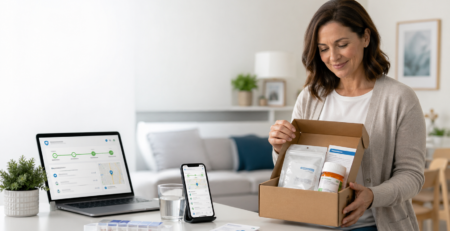
- Use delivery services. You can get your treatments delivered directly to your home with automatic refill reminders.
- Save up to 66.6% on your out-of-pocket medicine costs by filling a 3-month supply.
What the Province Does Not Pay For
Knowing what is excluded helps you plan your healthcare budget. Several common items receive zero funding across the board.
- Unapproved Treatments: If your medication is not on the provincial list, you must pay for it yourself unless your doctor secures special approval.
- Over-the-Counter Products: Vitamins, supplements, and standard pain relievers are your responsibility, even if a doctor recommends them.
- Routine Dental and Vision Care: The main health plan excludes regular dental cleanings and eye exams for adults aged 20 to 64. Hearing aids and physiotherapy also fall outside standard funding.
Keep Your Out-of-Pocket Costs Low
Prescription costs can quickly strain your monthly budget.
Deductibles, copays, and unapproved medications add up fast. Asking if OHIP covers prescription drugs is just the first step; managing the remaining costs is the next.
You can take control of your expenses by talking to your pharmacist. A thorough medication profile review helps identify cheaper alternatives and prevents dangerous drug interactions.
Ordering a 90-day supply is another practical strategy. This is an automatic service provided by ADV-Care Pharmacy
It usually costs less per dose and saves you a trip to the store. Keeping all your refills at a single pharmacy makes it much easier to track your spending and stay organized.
Straight Talk: Answering Your Pharmacy Questions
What medications are covered under OHIP?
The main health plan itself does not pay for any pharmacy treatments. Instead, separate systems like the Ontario Drug Benefit and OHIP+ handle medication funding. These systems approve thousands of common treatments listed on the official provincial formulary.
What are three things that OHIP does not cover in Ontario?
The provincial plan excludes prescription drugs picked up at a pharmacy, routine dental care, and standard eye exams for adults aged 20 to 64. It also excludes hearing aids and cosmetic surgery. These exclusions frequently surprise residents who expect total health funding.
Is Jardiance covered by PharmaCare or Ontario programs?
Jardiance is an Ontario Drug Benefit Limited Use treatment. This means the province funds it only if you meet specific medical criteria. Note that PharmaCare is British Columbia’s system, while Ontario uses the ODB. Ask your doctor or contact ADV-Care to find out whether your Jardiance prescription qualifies for provincial funding.
Who gets free prescriptions in Ontario?
Residents under 25 without private insurance receive free treatments through OHIP+. People receiving Ontario Works or disability support also pay nothing. Low-income seniors pay a tiny $2 fee, while everyone else pays a portion of their costs based on income or private insurance.
Does the Trillium Drug Program cover private insurance deductibles?
No, Trillium acts as a payer of last resort. You must use up your private insurance benefits first. Trillium only helps with the remaining eligible costs once you spend about 4% of your net household income on approved treatments.
Your Next Steps for Better Care
Figuring out whether OHIP covers prescription drugs requires you to understand several different systems. The rules change based on your age, income, and the specific treatments you need.
Do not assume the government pays for your care until you verify it. Check the provincial medication tool to see your exact status. Ask your doctor for generic options and work with a pharmacy to make the process easier.
Here at ADV-Care Pharmacy, we help Canadians manage their health with clear pricing and direct insurance billing. We focus on continuous care so you never have to worry about surprise fees or missing a critical dose.
If you need help understanding your funding options, you can easily transfer your refills to our dedicated team today.
Disclaimer: We provide this information to support your health education, but it never replaces professional medical advice. Always speak with your doctor before altering your treatments or changing your routine. We gladly collaborate with your physician to give you the safest and most effective care possible.